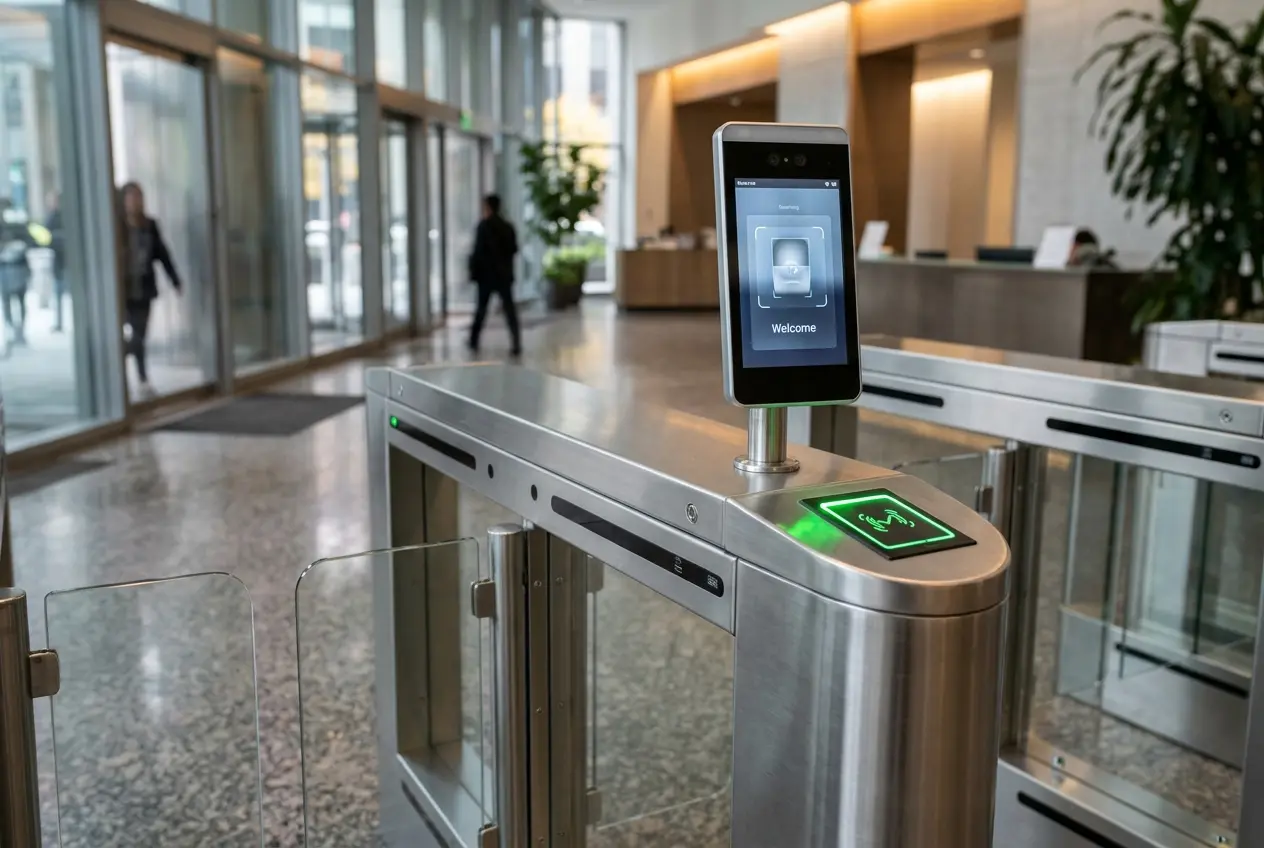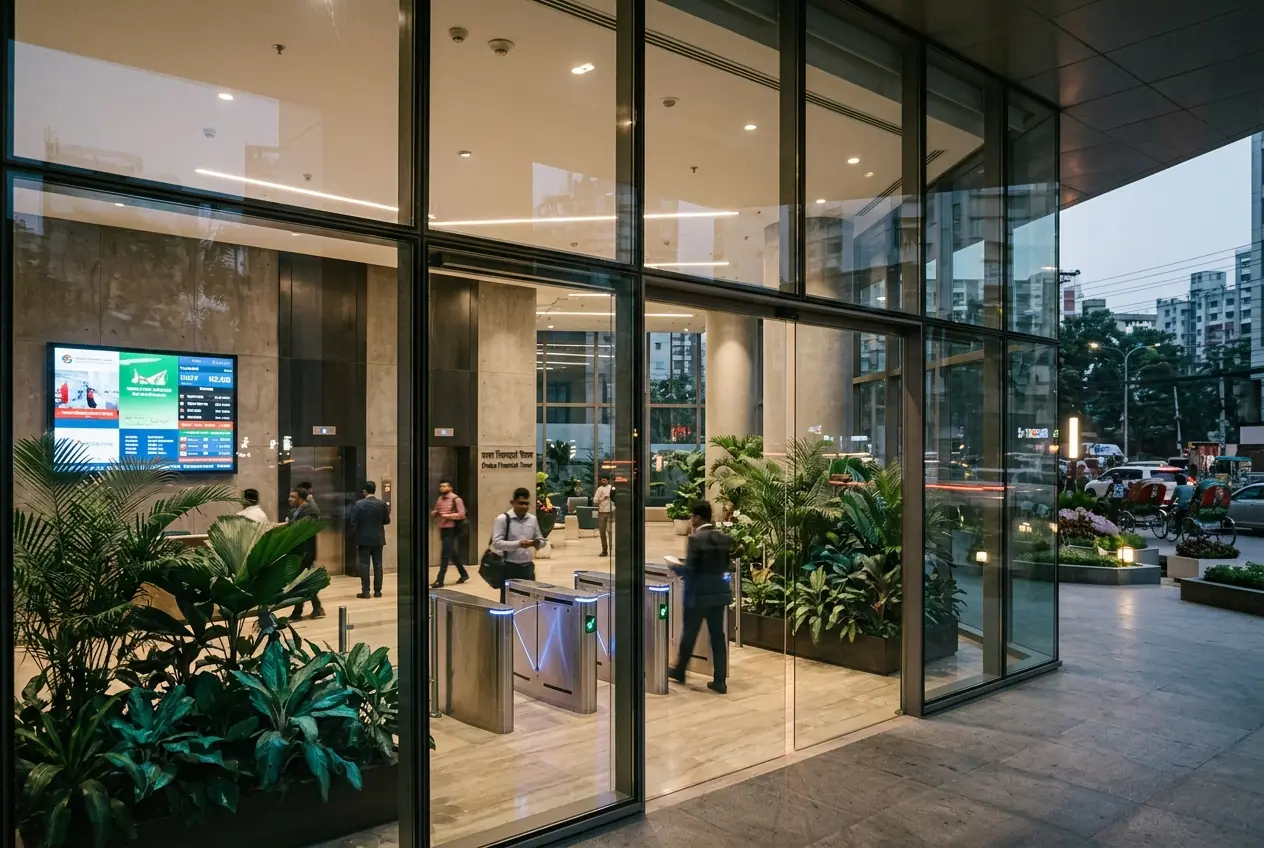
Access control decides who can enter which door and at what time. A clear plan before installation avoids rework and keeps the system safe in an emergency.
Decide which doors need control
List the doors by risk: main entrances, server rooms, stores, cash areas, laboratories, plant rooms. Not every door needs a reader. Control the ones where unauthorised entry causes real loss or danger.
Choose the credential
- Proximity or smart cards: common, inexpensive and easy to issue and cancel.
- PIN codes: simple but can be shared, so they are weaker alone.
- Biometrics (fingerprint, face): tie access to a person but need careful setup and a privacy policy.
- Mobile credentials: convenient where supported.
High-risk doors often combine two methods.
Make it safe in a fire
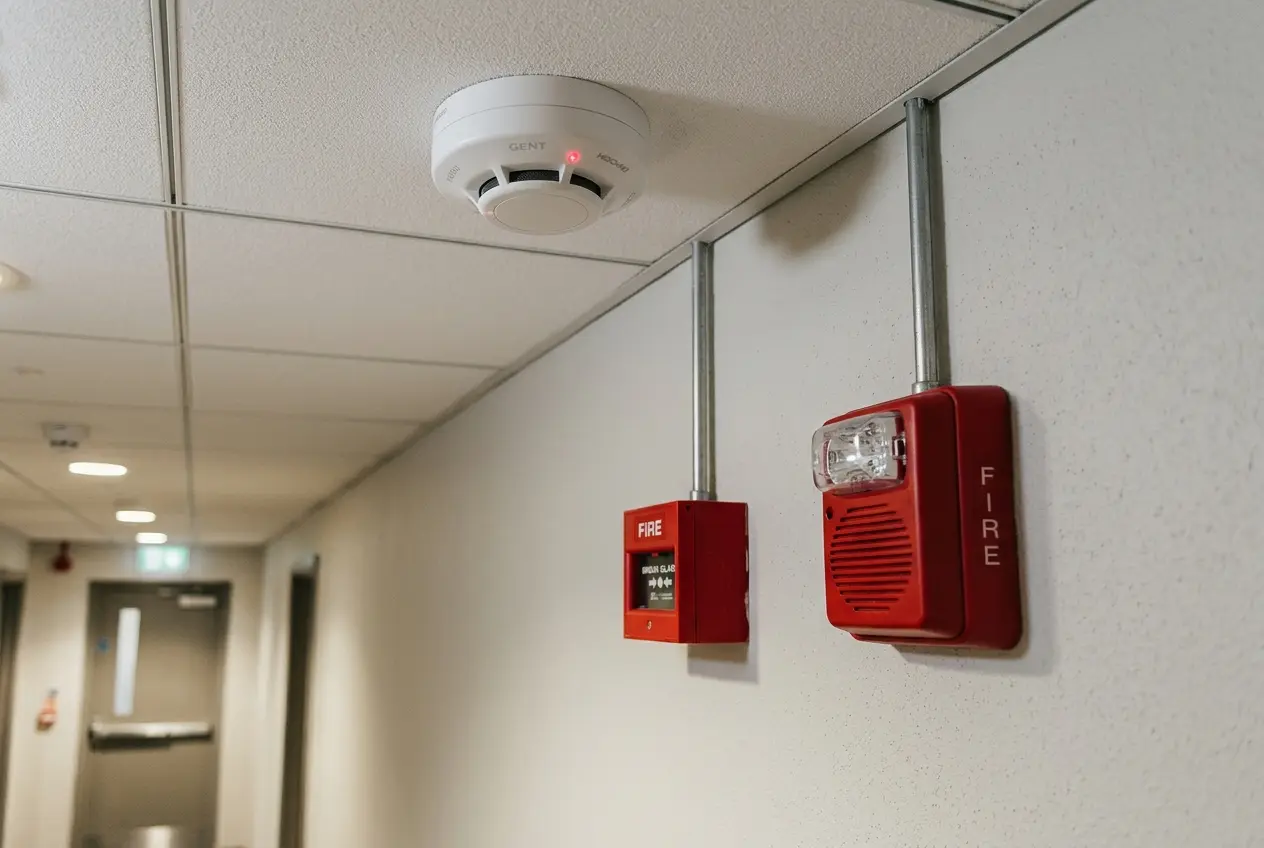
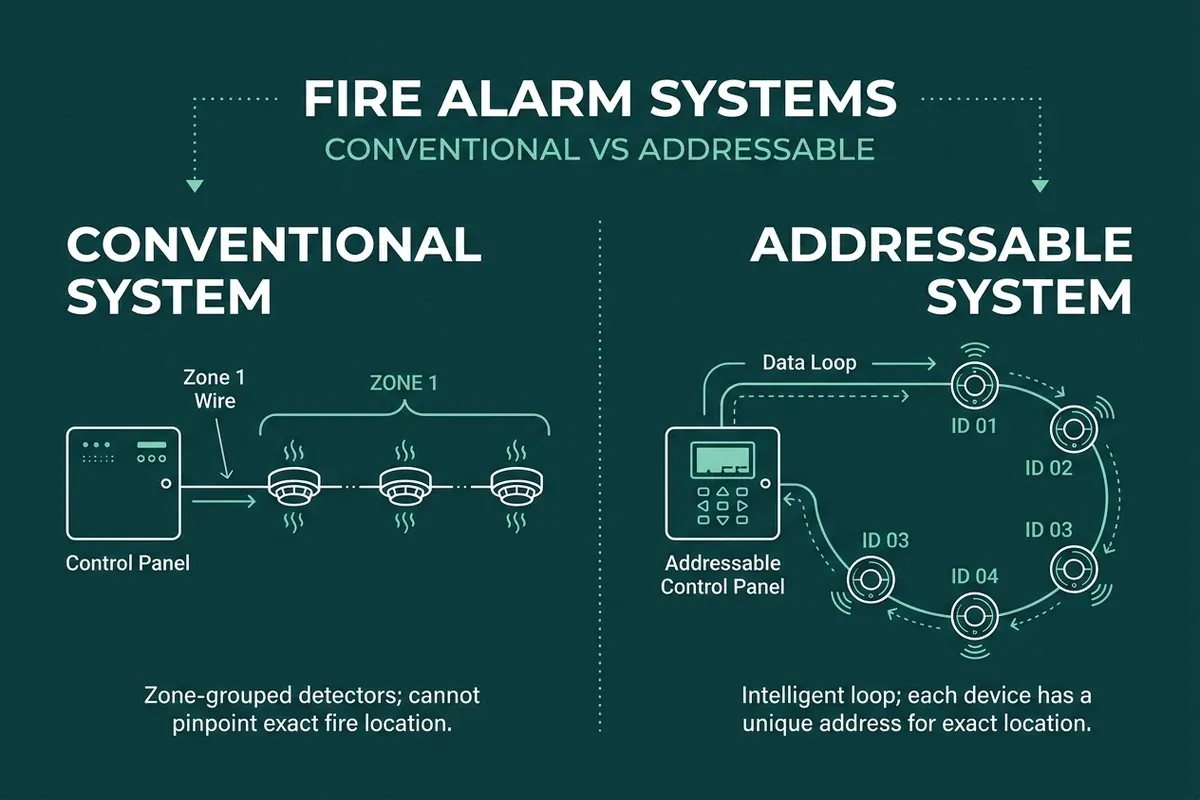
Doors on escape routes must open when needed. The system should release locks on a fire alarm signal and on power failure as the design requires, and exit devices must work without a credential. This is a coordination point with the fire alarm, which is why access control should be planned together with the fire detection design.
Manage people and records
Decide who issues and cancels cards, how fast leavers lose access, and how long event logs are kept. Time and attendance reports are a useful extra, but they must follow your privacy rules.
Questions to ask before you decide
- Which doors are on escape routes?
- What happens to the locks on power failure and on alarm?
- Who can add or remove users?
- How long are access logs kept?
Our team can help with this. See our access control system design, or send us your requirement.
Planning something similar?
Tell us about your building and what you need. We reply within 24 hours.
This is a planning overview. A qualified professional must determine site-specific design and requirements.